

Cuando se trata de perforaciones en las orejas, hay varios factores que considerar durante el proceso de cicatrización. La pregunta principal que la gente hace es: "¿Qué joyería puedo usar sin irritar mis orejas una vez que mi perforación ha sanado?". Nadie quiere lidiar con lóbulos irritados o infectados, así que creamos esta guía para ayudar a responder por qué algunas joyas causan reacciones, qué materiales son más seguros, qué evitar y cómo elegir piezas de calidad para perforaciones sanas.
Por qué tus orejas reaccionan a la joyería barata: la alergia común al níquel
Por lo general, la gente asume que es alérgica a la joyería, pero en realidad, su piel está reaccionando al níquel, a un baño de mala calidad o a una fabricación de baja calidad. La alergia al níquel es el alérgeno de joyería más común y puede manifestarse como picazón, enrojecimiento, hinchazón, ardor, secreción de líquido transparente, dolor o descamación. Esto sucede cuando el níquel se filtra lentamente de la joyería, lo que hace que el sistema inmunológico reaccione. Incluso sin una alergia al níquel, algunas personas simplemente tienen piel sensible y son propensas a sufrir reacciones ante metales baratos.
Los metales más seguros para orejas sensibles
Además de evitar el níquel, las personas con piel sensible también pueden reaccionar a metales de baja calidad. Aquí hay un desglose de los metales más seguros para orejas sensibles y qué metales debes evitar:
Guía de metales para joyería para orejas sensibles
|
Metal |
Calificación |
Por qué |
Ideal para |
|
Oro sólido de 14K o 18K |
✅ Seguro |
Biocompatible, hipoalergénico, no se oxida ni causa reacciones. El contenido de níquel es mínimo en 14K y superiores. |
Perforaciones sanas, orejas sensibles, uso diario. Todos los aretes GLD vienen con postes de oro sólido de 14K. |
|
Titanio de grado de implante |
✅ Seguro |
La opción más hipoalergénica disponible. No contiene níquel. |
Perforaciones recientes, orejas altamente sensibles, recomendado por perforadores profesionales. |
|
Acero de grado de implante |
⚠️ Precaución |
Seguro para la mayoría de las personas, pero contiene trazas de níquel. No es adecuado para personas con sensibilidad al níquel. |
Perforaciones sanas en personas sin sensibilidad al níquel. |
|
Niobio |
✅ Seguro |
Totalmente hipoalergénico, libre de níquel y no reactivo. Menos común que el titanio o el oro. |
Orejas sensibles, perforaciones recientes o sanas. |
|
Níquel |
❌ Evitar |
El alérgeno de joyería más común. Se encuentra en la mayoría de la joyería de moda, algo de acero quirúrgico y aleaciones de oro blanco. |
Evitar por completo. Causa picazón, enrojecimiento, hinchazón e irritación. |
|
Metales con baño de mala calidad |
❌ Evitar |
El baño se desgasta con el tiempo, exponiendo el metal base debajo, que a menudo es níquel o latón. |
Evitar para cualquier perforación. |
|
Latón y cobre |
❌ Evitar |
Se oxidan con el tiempo y causan decoloración verdosa y reacciones en la piel. |
Evitar por completo para perforaciones. |
|
Acrílico y plástico |
❌ Evitar |
Atrapan bacterias y humedad, aumentando el riesgo de infección. |
Evitar por completo para perforaciones. |
Qué usar para perforaciones recientes y cuándo actualizar
Los perforadores profesionales recomiendan tiempos de cicatrización estándar para diferentes tipos de perforaciones. Dependiendo de la perforación, la cicatrización puede tomar desde 6 semanas hasta un año completo. Recomiendan aretes iniciales hechos de titanio de grado de implante u oro de grado de implante con postes de parte posterior plana con rosca interna o sin rosca. Una vez que tu perforación ha sanado, estás listo para actualizar de tus aretes iniciales a los llamativos aretes GLD. Aquí hay un desglose rápido de los tiempos de cicatrización por tipo de perforación:
Cronograma de cicatrización de perforaciones: cuándo actualizar tu joyería
|
Tipo de perforación |
Tiempo de cicatrización |
Señales de que ha sanado |
Cuándo actualizar |
|
Lóbulo |
6–8 semanas |
Sin dolor, enrojecimiento ni secreción. La piel alrededor de la perforación se ve normal. |
Después de 6–8 semanas con confirmación de tu perforador. Listo para broqueles, huggies o aros GLD. |
|
Hélix / Cartílago |
6–12 meses |
Sin sensibilidad al tacto. Sin costras ni secreción. La perforación se mueve libremente. |
Después de un mínimo de 6 meses. Los huggies son ideales porque tienen menos probabilidades de engancharse en el cabello o la ropa. |
|
Tragus |
6–12 meses |
Sin dolor ni hinchazón. La piel está suave y completamente cerrada alrededor de la joyería. |
Después de 6–12 meses. Pequeños broqueles o huggies son la mejor primera actualización. |
|
Industrial |
6–12 meses |
Sin enrojecimiento, irritación ni secreción en ninguno de los puntos de perforación. Ambas perforaciones han sanado completamente. |
Después de un año completo en la mayoría de los casos. Consulta a tu perforador antes de cambiar la joyería. |
|
Daith |
6–12 meses |
Sin sensibilidad al tacto. Sin descamación. La joyería se mueve libremente sin resistencia. |
Después de 6–12 meses con confirmación del perforador. Los huggies funcionan bien para esta ubicación. |

Los mejores estilos de aretes para perforaciones sanas
Los aretes iniciales con los que comienzas son típicamente broqueles más pequeños, ligeros e hipoalergénicos para evitar la irritación y mantener la nueva perforación abierta. Una vez que tus perforaciones han sanado por completo, estás listo para usar las piezas llamativas de GLD. Todos los aretes GLD vienen con postes de oro sólido de 14K para que no tengas que preocuparte por reacciones alérgicas incómodas. Aquí hay algunos estilos populares de aretes para elegir una vez que tu perforación ha sanado:
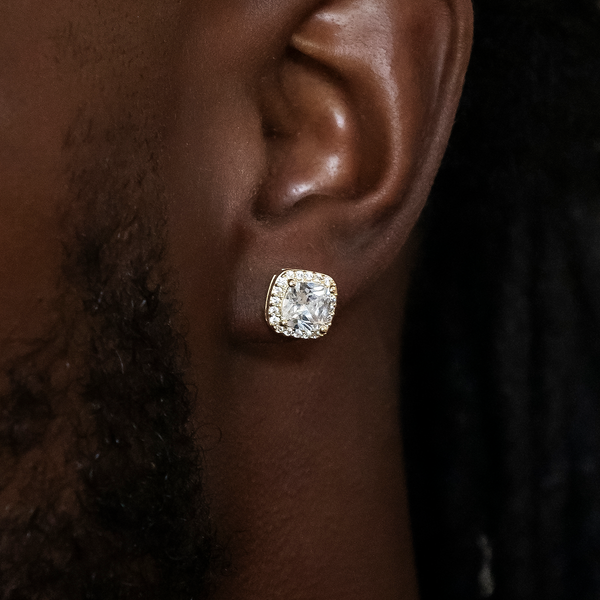
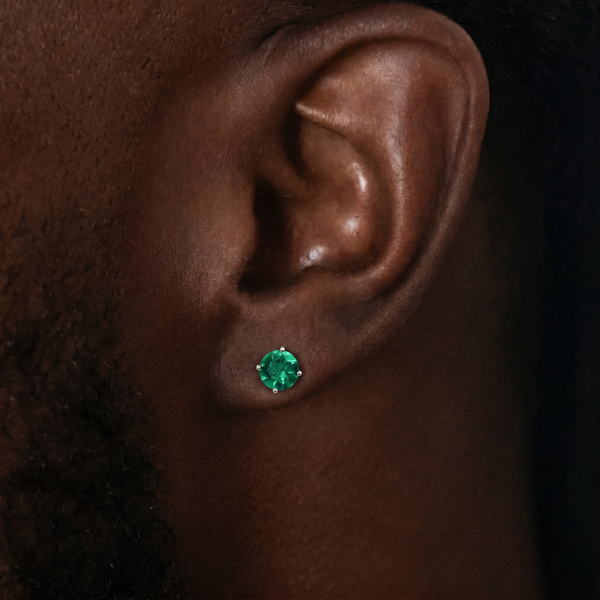
Broqueles (Studs): Los aretes de broquel son clásicos, versátiles y fáciles de usar todos los días. Las opciones de GLD están disponibles en corte redondo, cuadrado, cushion, pavé y agrupados en zirconia cúbica (CZ), aretes de moissanita y diamantes cultivados en laboratorio. Explora la colección completa de aretes de broquel de GLD aquí.
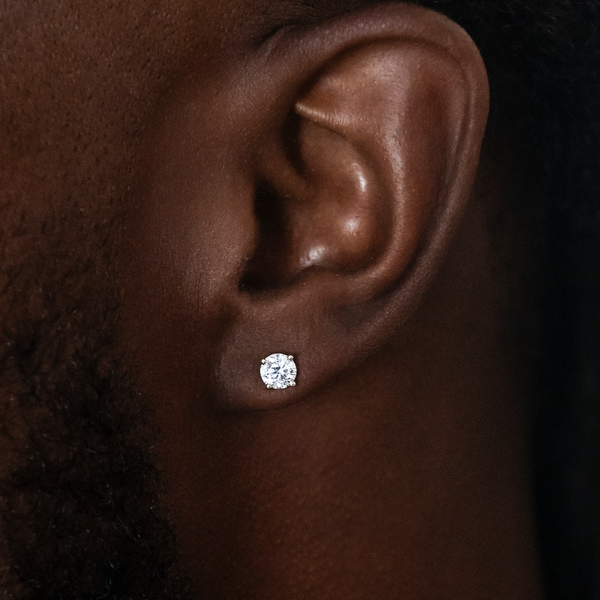
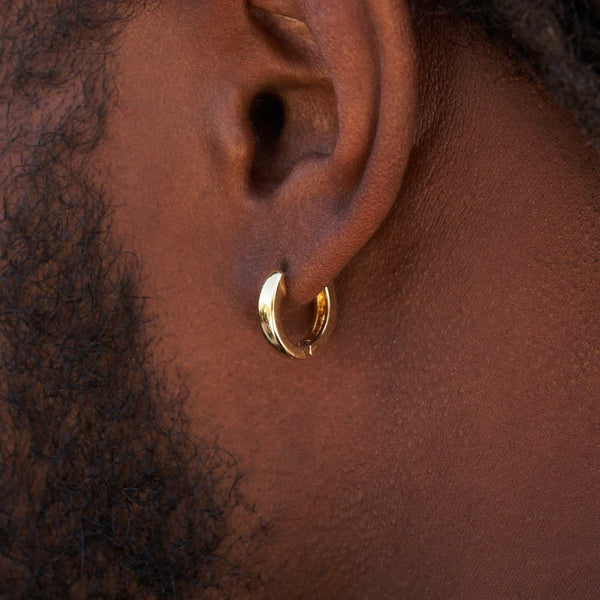
Huggies: Los huggies son aretes pequeños y ajustados que se asientan cerca de la oreja. Una vez que la perforación ha sanado completamente, estas son excelentes opciones para perforaciones de cartílago porque tienen menos probabilidades de engancharse en la ropa o el cabello.
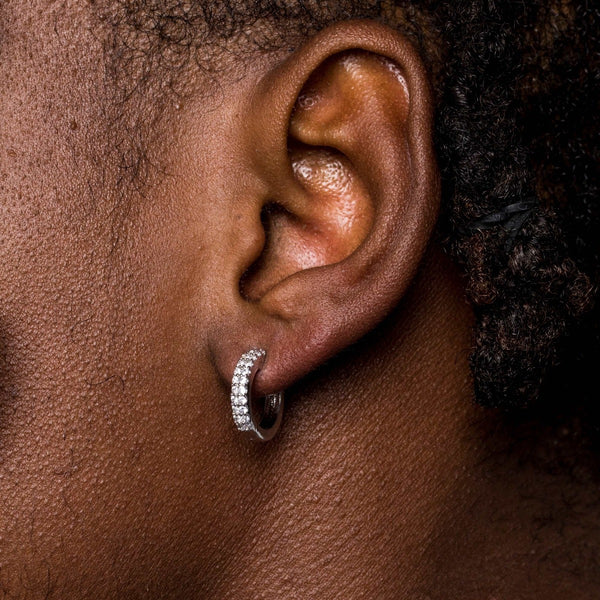
Aros (Hoops): Los aretes de aro tienen una forma circular continua que envuelve completamente la oreja. La colección de aretes de GLD presenta desde estilos sutiles hasta piezas llamativas y audaces.
Consulta el blog de Aros para hombre de GLD para encontrar el tamaño y estilo adecuados para ti.
Qué aretes buscar para orejas sensibles
Hay cuatro aspectos clave a tener en cuenta al decidirse por un par de aretes de joyería fina para orejas sensibles. En primer lugar, el material del poste importa. Esta es la parte que realmente toca tu oreja y atraviesa la perforación, así que elige entre oro sólido de 14K, titanio de grado de implante o acero de grado de implante. En segundo lugar, presta mucha atención a los metales con baño frente al oro sólido. Los metales con baño de baja calidad se desvanecen con el tiempo, mientras que el oro sólido no. También debes considerar el tipo de respaldo del arete, eligiendo entre respaldos de mariposa y respaldos planos. Los respaldos planos se recomiendan para perforaciones recientes, pero una vez que la perforación ha sanado, puedes optar por los respaldos de mariposa estándar. Por último, el peso de los aretes es crucial. No se recomiendan aretes pesados para perforaciones recientes porque pueden estirar e irritar la piel. Una vez que tu perforación ha sanado, puedes usar cómodamente aretes más pesados. Todos los aretes GLD están hechos con postes de oro sólido de 14K, sin importar el estilo o el precio, lo que los convierte en una opción segura para orejas sensibles una vez que las perforaciones han sanado por completo.
Preguntas frecuentes
¿Cuál es el mejor metal para orejas sensibles?
El oro sólido de 14K o 18K es el mejor metal para orejas sensibles. Es biocompatible, hipoalergénico y no se oxida ni causa reacciones. El titanio de grado de implante y el niobio también son opciones seguras. Evita el níquel, los metales con baño de mala calidad, el latón, el cobre, el acrílico y el plástico.
¿Qué hace que las orejas reaccionen a la joyería?
La mayoría de las reacciones en las orejas son causadas por el níquel, que es el alérgeno de joyería más común. El níquel se filtra lentamente de la joyería y desencadena una reacción del sistema inmunológico, causando picazón, enrojecimiento, hinchazón, ardor, secreción, dolor o descamación. Los metales con baño de mala calidad que se desgastan con el tiempo son otra causa común, ya que exponen el metal base debajo, que suele ser níquel o latón.
¿Puedo usar aretes de oro con una perforación reciente?
Los perforadores profesionales recomiendan titanio de grado de implante u oro de grado de implante para perforaciones recientes, junto con postes de parte posterior plana con rosca interna o sin rosca. Una vez que tu perforación ha sanado por completo, el oro sólido de 14K es una de las mejores opciones para orejas sensibles.
¿Cuánto tiempo debo esperar antes de cambiar mis aretes iniciales?
Los tiempos de cicatrización varían según el tipo de perforación. Las perforaciones de lóbulo suelen sanar en 6–8 semanas. Las perforaciones de hélix, tragus e industrial suelen tardar de 6 a 12 meses. Siempre confirma con tu perforador antes de cambiar la joyería porque los tiempos de cicatrización individuales varían.
¿El oro de 14K es seguro para orejas sensibles?
Sí. El oro sólido de 14K es biocompatible e hipoalergénico, lo que lo convierte en uno de los metales más seguros para orejas sensibles. El contenido de oro en 14K es lo suficientemente alto como para que los niveles de níquel sean mínimos. Todos los aretes GLD vienen con postes de oro sólido de 14K independientemente del estilo o el precio.
¿Cuál es la diferencia entre los aretes de oro sólido y los aretes chapados en oro?
Los aretes de oro sólido están hechos completamente de aleación de oro. Los aretes chapados en oro tienen una capa de oro sobre un metal base. El metal base, la calidad del baño y el grosor del oro determinan cuánto dura la pieza. Los aretes chapados en oro de GLD utilizan un baño patentado de PVD (deposición física de vapor), el método de recubrimiento de oro más avanzado utilizado en la joyería moderna, confiado en la industria aeroespacial y de ingeniería de alto rendimiento. El PVD crea un acabado resistente al agua, a los arañazos y con unión molecular que dura significativamente más que el chapado en oro tradicional. Todos los aretes GLD cuentan con postes de oro sólido de 14K y son hipoalergénicos para orejas sensibles.
¿GLD utiliza diamantes reales o moissanita?
La colección de aretes de GLD incluye CZ (zirconia cúbica), moissanita y diamantes cultivados en laboratorio dependiendo del estilo. Los diamantes cultivados en laboratorio son químicamente idénticos a los diamantes extraídos. La moissanita es una piedra preciosa cultivada en laboratorio que rivaliza con el diamante en brillo y pasa un probador de diamantes estándar. La CZ es la opción más accesible al precio más bajo.
¿Los aretes GLD son seguros para orejas sensibles?
Sí. Todos los aretes GLD vienen con postes de oro sólido de 14K, que es la parte que realmente toca tu oreja y atraviesa la perforación. El oro sólido de 14K es hipoalergénico y biocompatible, lo que convierte a los aretes GLD en una opción segura para orejas sensibles una vez que las perforaciones han sanado por completo.


