Gold Herringbone Necklaces
(4)
Filter
0


Gold Herringbone Necklaces
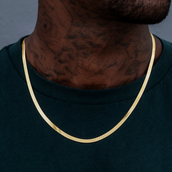
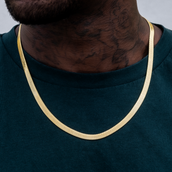
A gold herringbone necklace is easy to spot. That sleek, gold chain lying against someone's collarbone or neck. The gold herringbone chain is now back in a big way. Born in the 1970s, the gold herringbone necklace has been re-imagined for today. Celebrities style them with various dress styles, vintage dealers can't keep them in stock, and searches for herringbone necklaces keep growing. Herringbone chains aren't made like other gold necklaces. They look tough and smooth yet their flat construction makes them more delicate than curb or rope chains. The herringbone chain is made of thin, angled links woven tightly together. Each row of links slants in the opposite direction to the one next to it forming a V-shape that looks like fish bones stacked down a spine. That's how it got its name. A well-chosen herringbone chain rewards you for decades. If you're looking for timeless style and stylish vibes, a herringbone chain is probably looking for you.
Why Herringbone?
The close drape of a herringbone chain is exactly why it photographs so well and why people call it "liquid gold.” It is smoother than the curb chain and more structured than the snake chain. Although herringbone has less flexibility than snake or curb, its appearance is like ribbon. The sleek shine and gleam of the herringbone is why it is so popular with both celebrities and their photographers.
14k Herringbone Necklaces: Karat
The karat of the gold will tell you how much pure gold is mixed into the metal. 24k is pure gold, but it is soft enough to scratch. 18k is 75% gold. 14k is about 58% gold blended with stronger alloys and is durable enough for daily wear. For most buyers, 14k hits the sweet spot. Real gold warmth, better scratch resistance, and a lower price makes this karat inviting.
Solid Gold vs. Vermeil vs. Plated Herringbone Chains
Solid gold herringbone holds value and won't tarnish or turn skin green. Gold vermeil is a thick gold layer over sterling silver. Gold-plated versions usually cost less than their counterparts.
How to Use your Gold Herringbone Chain for Layering
Thin chains around 2 to 3mm work beautifully for layering. Medium widths of 4 to 5mm handle everyday wear without any issues. Herringbone necklaces that are 6mm and up create that sculptured collar effect that dominates photography shoots right now. Length can change the whole look. Shorter lengths hug the throat while longer chain drops trace the neckline. For layering, pair a short 3mm herringbone with a longer pendant chain spaced two inches apart but never stack two herringbone necklaces directly on top of each other as their flat surfaces will grind together.
Mens Gold Herringbone: Choosing Your Style
Wear a Wide Herringbone for maximum impact. A 7 to 10mm wide herringbone worn at around 15 to 16 inches will create that full liquid-gold look. You can easily skip pendants with these, the width is the show. A 14-inch gold herringbone choker sits at the base of the throat. Sixteen inches hits just below that. 18 inches rests at the collarbone, and 20 inches drops just past that. Most herringbone chokers are between 14 and 16 inches.
Herringbone no longer belongs to one gender as it did in the 70s. Its clean, sleek silhouette works with a plain tee to a tailored jacket. Men's catalogs now stock wider versions of the herringbone necklace alongside Cuban link chains. With street wear, a 6 to 8mm chain rests over a plain crew-neck or under an open button-down. With dressier fits, the same chain against a crisp white shirt gives a polished contrast that feels sharp without looking loud.
Filter